Gone Too Soon: How Streaming Platforms Are Burying the Shows You Would Have Loved

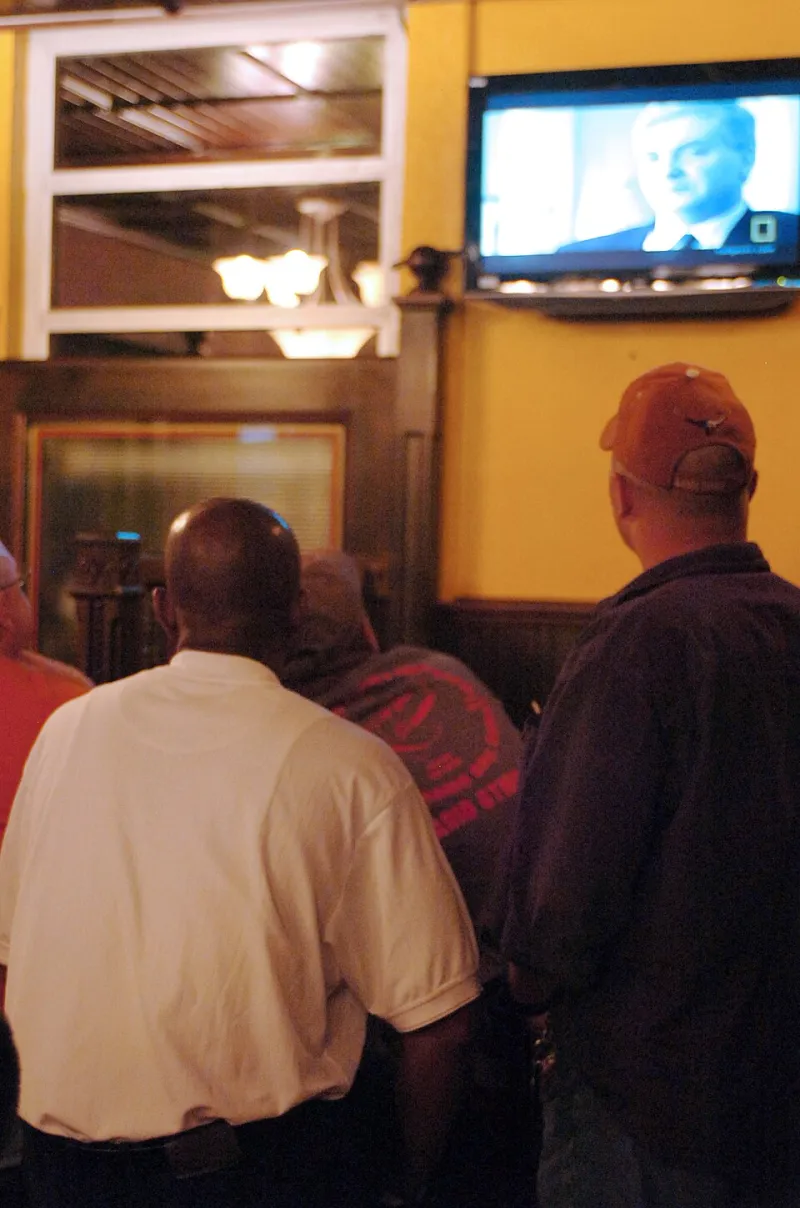
Photo: Mister rf, CC BY-SA 4.0, via Wikimedia Commons
You finally hear about a show from a coworker, a Reddit thread, or some corner of social media that's been buzzing about it for weeks. You look it up, you're immediately hooked by the premise, you queue it up — and then you find out it was canceled after one season. Two years ago. The finale ends on a cliffhanger that will never be resolved.
Welcome to the orphan content problem. It's one of the most frustrating realities of modern streaming, and it's getting worse.
What 'Orphan Content' Actually Means
Orphan content is the term used in media circles to describe shows, films, or series that get stranded mid-story — canceled before they can reach a natural conclusion, often before the wider audience even discovers them. Think of shows like Minx, The OA, I Am Not Okay With This, or Warrior Nun. Each of these built passionate fan bases. Each of them was axed while those fan bases were still growing.
The cruel irony is that the discovery cycle for a prestige or niche show can easily take 12 to 18 months. Word of mouth moves slowly. People finish other shows first. Life gets in the way. But streaming platforms aren't built to wait around for organic momentum. They're built to generate immediate, measurable engagement — and if a show doesn't hit those internal benchmarks fast enough, it gets cut loose.
The result? A growing library of incomplete stories that feel more like broken promises than entertainment.
Why Platforms Keep Doing This
Here's the uncomfortable truth: from a pure business standpoint, canceling a show early often makes more financial sense than letting it run.
Streaming services license content, pay production costs, and fund marketing campaigns — all upfront. If a show underperforms in its first few weeks, continuing to invest in a second or third season feels like throwing good money after bad. The data these platforms collect is hyper-focused on immediate viewership, completion rates, and new subscriber acquisition. A slow-burn cult classic that takes two years to find its audience doesn't fit neatly into that model.
There's also a tax incentive angle that became public knowledge after Warner Bros. Discovery started pulling content off Max entirely. Writing off content for tax purposes can, in certain situations, be more financially attractive than keeping a low-performing show available. That's how you end up with shows disappearing from platforms altogether — not just canceled, but essentially erased.
None of this is great news for viewers who just want to find something genuinely worth watching.
How to Spot a Show With Real Staying Power
The good news is that there are ways to get ahead of the cancellation curve. You don't have to invest emotionally in a show only to have the rug pulled out from under you — at least not as often.
Check the episode order before you commit. A full season order of 10 or more episodes, especially from a major platform, is a better sign than a shorter initial run. Platforms that believe in a show tend to order more content upfront.
Look at who's behind it. Shows attached to proven showrunners, well-regarded production companies, or high-profile talent deals tend to get more runway. It's not a guarantee, but a show backed by a creator with a strong track record has more institutional protection.
Watch the renewal timeline. If a show hasn't been renewed within three to four months of its season finale, that's a warning sign. Platforms that are excited about a show usually announce renewals quickly to maintain momentum. Silence is often a bad omen.
Pay attention to the conversation, not just the noise. A show trending on social media for a weekend isn't the same as a show building a dedicated, vocal community over months. Look for consistent discussion in niche spaces — subreddits, fan forums, Discord servers — rather than a one-week spike in mentions.
Where to Find the Gems That Were Axed Too Early
If you're specifically interested in tracking down canceled shows that deserve a second look, there are some reliable places to start.
Letterboxd and TV Time are community-driven platforms where passionate users rate and review content. Shows with unusually high ratings and strong written reviews relative to their mainstream visibility are often exactly the kind of underappreciated content worth digging into.
Cancellation Bear (cancellationbear.com) tracks renewal and cancellation news across all major networks and streaming platforms in real time. It's a genuinely useful tool for figuring out which shows are on thin ice before you invest your time.
Subreddits like r/television and r/HobbyDrama frequently surface stories about beloved canceled shows, complete with community recommendations for where to watch them and context about why they ended.
Tubi, Pluto TV, and the Peacock free tier have become unexpected repositories for canceled content. Shows that were pulled from their original platforms sometimes resurface here, giving them a second life with audiences that missed them the first time around.
And don't overlook physical media. A show that got a Blu-ray release before getting canceled is often one that had a passionate enough following to justify the investment. Hunting through that section — or checking out eBay and local used media stores — can lead you straight to something extraordinary.
A Different Way to Think About Discovery
Here's a mindset shift that might actually help: instead of chasing what's new, get comfortable chasing what's complete.
A finished show — even a canceled one — has a fixed ending. It might not be the ending the creators intended, but you know exactly what you're getting into. There's something freeing about that. You're not waiting week to week, not wondering if the network will pull the plug before the story wraps. It's all there, waiting for you.
Some of the most rewarding viewing experiences come from shows that ran one or two tight, purposeful seasons and then ended — whether by choice or by cancellation. Freaks and Geeks. Firefly. The Get Down. These aren't tragedies so much as time capsules. Incomplete, yes. But often more interesting and ambitious than the shows that coasted through ten seasons of diminishing returns.
The orphan content problem is real, and it's a genuine flaw in how the streaming economy works. But it doesn't have to mean you miss out. With the right tools and a slightly different approach to discovery, some of the most compelling television ever made is sitting out there, unclaimed, waiting for you to find it.
That's what seeking is all about.