How to Find Festivals, Live Events, and Local Experiences That Are Actually Worth the Drive
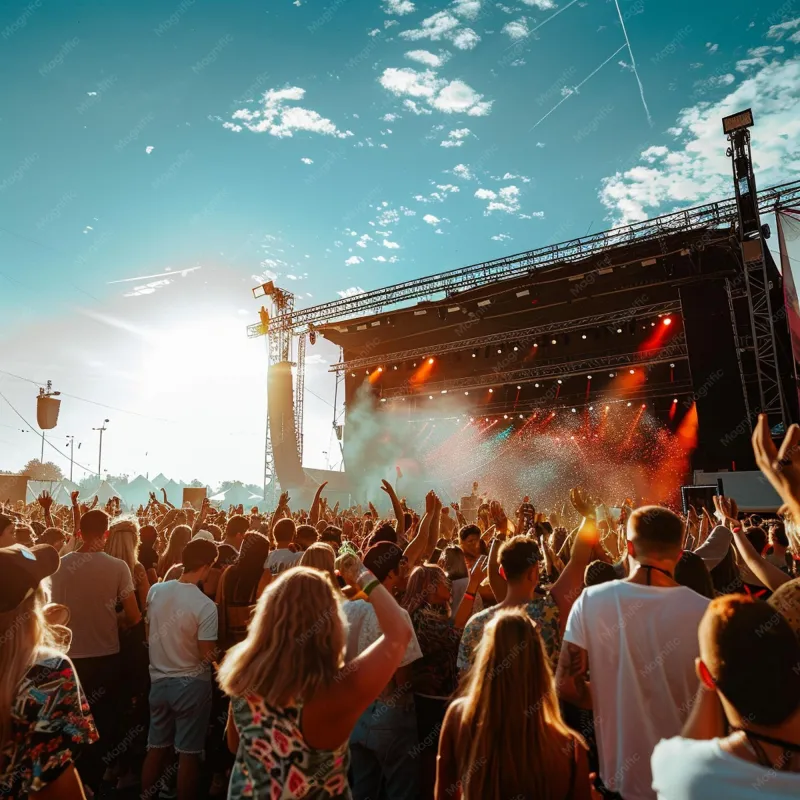
Photo: outdoor local music festival crowd summer small town, via img.freepik.com
Let's be honest about something: the most marketed entertainment experiences are rarely the most rewarding ones. The festival with the $400 weekend pass and the Instagram-ready ferris wheel might deliver a good time, but it's the regional folk music gathering in a state park, the neighborhood food festival with the James Beard-nominated chef doing a pop-up, or the experimental theater production in a repurposed warehouse that tends to stick with you years later.
The challenge isn't that great local experiences don't exist — they absolutely do, in every corner of this country. The challenge is that they're not trying to reach you with a Super Bowl ad. Finding them takes a little more intention. Here's how to do it.
Start With the Platforms Nobody Talks About
Eventbrite gets a lot of traffic, but most people only use it reactively — they search for something specific they already know about. The better move is to browse by category and location with no particular goal in mind. Set your radius, filter by free or low-cost events, and just see what's there. You'll be surprised how often something genuinely interesting surfaces.
Do512 (if you're in Austin), Funcheap (San Francisco and NYC), and Pulsd (New York) are hyper-local event aggregators that operate in specific cities and tend to surface stuff that never makes it onto the national radar. If your city has one of these, bookmark it immediately.
Facebook Events, despite everything, remains one of the most comprehensive local event databases in existence. The trick is to follow local venues, arts organizations, and community groups rather than waiting for events to find you. Once you've built up a feed of organizations you care about, the calendar basically curates itself.
Don't sleep on Meetup, either. It skews toward interest-based gatherings rather than ticketed events, but it's an excellent way to find recurring experiences — film clubs, hiking groups that combine outdoor activities with local cultural stops, food-focused communities that organize visits to new restaurant openings or local market events.
Think Smaller Than You're Used To
The word "festival" tends to conjure images of massive grounds, overpriced food trucks, and cell service that stops working by noon. But the festival landscape in the US is genuinely vast, and the smaller end of that spectrum is where a lot of the most interesting stuff lives.
State and county fairs are an underrated starting point. Beyond the rides and the fried everything, many of them feature legitimate live music lineups, agricultural showcases that double as fascinating cultural experiences, and competitions that offer a window into regional traditions you won't find anywhere else. The Iowa State Fair, the State Fair of Texas, and the LA County Fair are obvious examples — but the less famous versions in smaller states often have a more authentic, less produced feel.
Regional food and drink festivals frequently punch well above their weight. Oyster festivals along the Gulf Coast, hot sauce competitions in New Mexico, crawfish boils in Louisiana, apple harvest festivals throughout New England — these events are often free or very cheap to attend, deeply tied to local culture, and genuinely fun in a way that doesn't require any Instagram strategy.
Theater is another area where thinking smaller pays off. Regional theater companies outside major cities — particularly those affiliated with universities or community arts organizations — routinely produce work that rivals what you'd see on a major urban stage, at a fraction of the ticket price. The American Theatre Wing's database is a useful starting point for finding regional productions worth planning around.
The Discount Ticket Ecosystem You're Probably Not Using
If you live in or near a major city, there are almost certainly deeply discounted tickets available to you that you don't know about. Most people are vaguely aware that rush tickets and student discounts exist for theater, but the infrastructure for cheap live entertainment is actually much broader than that.
TodayTix is the most accessible app for discounted theater tickets, and it covers cities well beyond New York — Chicago, Los Angeles, San Francisco, Washington D.C., and others. The app's lottery feature offers tickets to major productions at dramatically reduced prices; you won't always win, but the odds are better than most people assume.
Goldstar is a long-running discount entertainment platform that covers live events across dozens of US cities — comedy shows, concerts, theater, sports, and more. The discounts are often significant (50% off or more), and the selection is genuinely broad. It's worth checking before you pay full price for almost anything.
Many museums, botanical gardens, and cultural institutions offer free or reduced-price admission on specific days or evenings. The Smithsonian's network of museums in D.C. is always free. The Museum of Modern Art in New York offers free Friday evening admission. The Getty in Los Angeles is always free to enter. These institutions frequently host live programming — film screenings, musical performances, artist talks — that falls completely off most people's radar.
How to Find the Events That Aren't Advertising
The most interesting local experiences often have the smallest marketing budgets. Finding them requires plugging into the right information networks.
Local alt-weeklies and independent city publications are still among the best sources for genuine local event discovery. Papers like The Chicago Reader, Seattle Weekly, Denver Westword, and similar outlets in cities across the country maintain robust event calendars and cover local culture with a depth that national platforms can't match.
Library event calendars are criminally underused. Public libraries across the US host an astonishing range of free programming — author readings, film screenings, live music, cultural festivals, craft workshops. Most of it costs nothing. The New York Public Library and the Chicago Public Library system, for example, run programming that would cost real money anywhere else.
Neighborhood Facebook groups and Nextdoor are imperfect but surprisingly effective for surfacing hyper-local events. Block parties, pop-up markets, community theater productions, and local art walks often get promoted here before they show up anywhere else.
Follow local venues directly, not just the acts they book. A small club, an independent cinema, a black box theater — these places often have loyal audiences and mailing lists that get you access to presales, free preview nights, and last-minute ticket releases that never make it to the general public.
Make the Trip Part of the Experience
One of the most underrated aspects of event tourism is the trip itself. A weekend built around a regional festival or a specific cultural experience in a nearby city is often more memorable than a bigger, more expensive vacation precisely because it has a clear focal point.
A few frameworks that work well: pick a region you've never explored and find the most interesting cultural event happening there in the next 60 days. Or flip it — identify a type of experience you've always wanted (a bluegrass festival, a food and wine event, a film retrospective) and search for where that's happening within a reasonable drive.
The US is genuinely full of places and events that reward that kind of intentional seeking. You don't need a massive budget or a lot of advance planning. You just need to look a little further than the first result.
That's kind of what we're here for.